A Lyrical Call and Response Alluding to Others’ Work Unfortunately Unaccompanied By Music; A Short Collection of Parodies, Poetic Objections and Impermissible Liberties Together Appearing With Their Inspiration Followed From Time To Time By Other Unconnected Original Works — In a dialog, it is only fair to include first the opening remarks to which replies are made…
Now as I was young and easy under the apple boughs About the lilting house and happy as the grass was green, The night above the dingle starry, Time let me hail and climb Golden in the heydays of his eyes, And honoured among wagons I was prince of the apple towns And once below a time I lordly had the trees and leaves Trail with daisies and barley Down the rivers of the windfall light.
And as I was green and carefree, famous among the barns About the happy yard and singing as the farm was home, In the sun that is young once only, Time let me play and be Golden in the mercy of his means, And green and golden I was huntsman and herdsman, the calves Sang to my horn, the foxes on the hills barked clear and cold, And the sabbath rang slowly In the pebbles of the holy streams.
All the sun long it was running, it was lovely, the hay Fields high as the house, the tunes from the chimneys, it was air And playing, lovely and watery And fire green as grass. And nightly under the simple stars As I rode to sleep the owls were bearing the farm away, All the moon long I heard, blessed among stables, the nightjars Flying with the ricks, and the horses Flashing into the dark.
And then to awake, and the farm, like a wanderer white With the dew, come back, the cock on his shoulder: it was all Shining, it was Adam and maiden, The sky gathered again And the sun grew round that very day. So it must have been after the birth of the simple light In the first, spinning place, the spellbound horses walking warm Out of the whinnying green stable On to the fields of praise.
And honoured among foxes and pheasants by the gay house Under the new made clouds and happy as the heart was long, In the sun born over and over, I ran my heedless ways, My wishes raced through the house high hay And nothing I cared, at my sky blue trades, that time allows In all his tuneful turning so few and such morning songs Before the children green and golden Follow him out of grace,
Nothing I cared, in the lamb white days, that time would take me Up to the swallow thronged loft by the shadow of my hand, In the moon that is always rising, Nor that riding to sleep I should hear him fly with the high fields And wake to the farm forever fled from the childless land. Oh as I was young and easy in the mercy of his means, Time held me green and dying Though I sang in my chains like the sea.
Last Chance To See
We were all once young and easy… even under the heights and towers, or set down in the paved bounds of lawned desert, or conveyed to and fro past fields and edges on our carried ways…
As I was unaware and green, not seeing what was not there to be missed, but missing it anyhow, and carefree also under that same sun who is only once young,
Whispering in confidence with vacant lots’ “soon, soon,” and singing on footsteps over cracked concrete, I ran with the promise of more and better to come.
But debts to pay not yet mine already hedged the possible ground and shaped what I would find along the paths I traced in the dust and persistent weeds on the hills I climbed.
It was the stream that had been cut off in its bed, and all the trees gone.
And on occasion when I escaped the halls and noise and bells, feigning an illness as true as anything I knew, I dawdled my way homeward by unfamiliar streets through fenced neighborhoods,
Blessing the air as my heart rose to greet the warmth and color of an autumn sun, innocent of looming winter and the dread of swishing tires on snow mixed with grime.
It was a promise I heard told, that I would be one of the ones to know the longed-for end of indenture.
And, later, freed by green spring and golden summer, the threat of ruin that forces duty remaining at bay, far, far off in the distance, it was a direction from which I could turn away, to ignore
My small lordship extending a little way forward on the routes I ran, I could only benevolently rule I knew not what, or at times, at times, anguished in confused despite, marr the things before my hands, the things I touched.
“It was hot. I was tired and angry. I did not do well.”
Out away from the works of man, grace still lingered among the edge places, not as the invisible friend of a holy ghost, but stubbornly Present in sparrow and shrub, grasshopper and gartersnake, and peering through forbs and grasses, in the nervous noses of mice, the slow feet of the salamander, the ageless ephemera of insects…
Saplings from long-lodged or far-blown seed cryptically thriving in slow and steady growth in the midst of visibly unseen edge places, could only wait in vegetal patience upon the day of mending and return.
The Springtime wash of snowmelt coming off the High Ground an invocation or call with its the response in tall grasses, wildflowers and the restless bees becoming a wholeness impossible to contain, I rolled in temporary meadow ponds and dried myself, clothes and all, lying full length in the sunlight.
It was not turning Earth who forgot the time, singing in mammalian joy, the dusk of ending day.
It is not the moon who can forget the darkness before the dawn.
Here we come to a turning of the season Witness to the arc towards the sun The neighbors blessed burden within reason Becomes a burden borne of all in one And nobody, nobody knows Let the yoke fall from our shoulders Don’t carry it all don’t carry it all We are all our hands in holders But meet this bold and brilliant sun But this I swear to all A monument to build beneath the arbors Upon a cliff that towers towards the trees But every vessel pitching hard to starboard Lay it’s head on summer’s freckled knees And nobody, nobody knows Let the yoke fall from our shoulders Don’t carry it all don’t carry it all We are all our hands in holders Beneath this bold and brilliant sun This I swear to all, this I swear to all And there a wreath of trillium and ivy Laid upon the body of the boy Lazy will the long come from it’s hiding Return his quiet certitude to the soil So raise a glass to turnings of the season And watch it as it arcs towards the sun And you must bear your neighbors burden within reason And your labors will be borne when all is done, and nobody nobody knows Let the yoke fall from our shoulders Don’t carry it all don’t carry it all We are all our hands in holders Beneath this bold and brilliant sun
Come We Now
“Here we come to a turning of the season, Witness to the arc toward the sun…” –Decemberists
Come we now to the turning of the season, Beneath the sun’s arc as it falls, Pausing as we reckon the course we will be keeping. In our ears the sound of wind as it plays around us all; We recognize the darkness without weeping.
Numbing fog’s heatless light bears a dark cold day of dying; Under frost, now drawn and still, what’s done is done, and stopped, But not to understand these shapes in ice as ever-keeping. Into moving air, limb-shaken, the last brown fritillaries drop, Fluttering they search for places where they must stay; Cloud gaps appear in which to stand a moment, warming; Faces turn southward toward the setting of the season’s day. The long darkness’ fast approach bespeaks of distant dawn, awhile breaking.
(Beneath the flaming overstory, soft ground And the green remainders lingering Tell of someone someday sitting down Gold-lit among everything again ice-letting.)
yes, they begin out in a willow, I think the starch mountains begin out in the willow and keep right on going without regard for pumas and nectarines somehow these mountains are like an old woman with a bad memory and a shopping basket. we are in a basin. that is the idea. down in the sand and the alleys, this land punched-in, cuffed-out, divided, held like a crucifix in a deathhand, this land bought, resold, bought again and sold again, the wars long over, the Spaniards all the way back in Spain down in the thimble again, and now real estaters, subdividers, landlords, freeway engineers arguing. this is their land and I walk on it, live on it a little while near Hollywood here I see young men in rooms listening to glazed recordings and I think too of old men sick of music sick of everything, and death like suicide I think is sometimes voluntary, and to get your hold on the land here it is best to return to the Grand Central Market, see the old Mexican women, the poor . . . I am sure you have seen these same women many years before arguing with the same young Japanese clerks witty, knowledgeable and golden among their soaring store of oranges, apples avocados, tomatoes, cucumbers – and you know how these look, they do look good as if you could eat them all light a cigar and smoke away the bad world. then it’s best to go back to the bars, the same bars wooden, stale, merciless, green with the young policeman walking through scared and looking for trouble, and the beer is still bad it has an edge that already mixes with vomit and decay, and you’ve got to be strong in the shadows to ignore it, to ignore the poor and to ignore yourself and the shopping bag between your legs down there feeling good with its avocados and oranges and fresh fish and wine bottles, who needs a Fort Lauderdale winter? 25 years ago there used to be a whore there with a film over one eye, who was too fat and made little silver bells out of cigarette tinfoil. the sun seemed warmer then although this was probably not true, and you take your shopping bag outside and walk along the street and the green beer hangs there just above your stomach like a short and shameful shawl, and you look around and no longer see any old men.
The Purse-seine By Robinson Jeffers
Our sardine fishermen work at night in the dark of the moon; daylight or moonlight They could not tell where to spread the net, unable to see the phosphorescence of the shoals of fish. They work northward from Monterey, coasting Santa Cruz; off New Year’s Point or off Pigeon Point The look-out man will see some lakes of milk-color light on the sea’s night-purple; he points, and the helmsman Turns the dark prow, the motorboat circles the gleaming shoal and drifts out her seine-net. They close the circle And purse the bottom of the net, then with great labor haul it in.
I cannot tell you How beautiful the scene is, and a little terrible, then, when the crowded fish Know they are caught, and wildly beat from one wall to the other of their closing destiny the phosphorescent Water to a pool of flame, each beautiful slender body sheeted with flame, like a live rocket A comet’s tail wake of clear yellow flame; while outside the narrowing Floats and cordage of the net great sea-lions come up to watch, sighing in the dark; the vast walls of night Stand erect to the stars.
Lately I was looking from a night mountain-top On a wide city, the colored splendor, galaxies of light: how could I help but recall the seine-net Gathering the luminous fish? I cannot tell you how beautiful the city appeared, and a little terrible. I thought, We have geared the machines and locked all together into inter-dependence; we have built the great cities; now There is no escape. We have gathered vast populations incapable of free survival, insulated From the strong earth, each person in himself helpless, on all dependent. The circle is closed, and the net Is being hauled in. They hardly feel the cords drawing, yet they shine already. The inevitable mass-disasters Will not come in our time nor in our children’s, but we and our children Must watch the net draw narrower, government take all powers–or revolution, and the new government Take more than all, add to kept bodies kept souls–or anarchy, the mass-disasters. These things are Progress; Do you marvel our verse is troubled or frowning, while it keeps its reason? Or it lets go, lets the mood flow In the manner of the recent young men into mere hysteria, splintered gleams, crackled laughter. But they are quite wrong. There is no reason for amazement: surely one always knew that cultures decay, and life’s end is death.
Listen! Make It Rain with affection and gratitude toward Charles Bukowski and Robinson Jeffers
(1978 to 2018, and falling)
You walk down toward the waterfront Carrying your 22-ounce craft beer: Bottled treasure from 2000 miles away.
You go out onto the end of the brand-new pier Squeezing through the locked gate and past the signs that say Entry Beyond Constitutes a Breach of Security (Breach of Security — a newly molded sin Compliant with the age and clime…)
Sitting behind the slight wind-break of a metal post Where it juts up from concrete bulwark, Almost out of the sifting misting rain Coming and going from fragmenting cloud, It is a luxury of a kind.
You rest there with your refreshment, Looking out across the foreshore and the saltwater beyond at half-tide. The light wind carries the smell of blown rain and salt air Mixed with tar, creosote, and the spunk of flotsam and jetsam Flung up by recent ardent storm-tides: Decaying crab, seaweed torn free at the holdfast, Broken shells, waterlogged driftwood.
You’ve known these things before And you will know these things again: The restless and quarrelsome gulls and crows Picking through what has been cast up for treasure, And the lone Raven flying by, Looking for meat and hazed off By the boldest crows and gulls.
And further off, eagles, national symbol Of a kleptoparasitic sovereignty, Huddled on the gravelly sand at the edge of the water, Too lazy to steal anything with all the fish waste about, Hunched and waiting or waddling down to the water’s edge To haul something helpless onto the low sand– Dead or dying, it doesn’t matter which…
Except for white heads and tails, And their occasional movement, These birds could almost blend into the low ground Like the small boulders left sticking up Out of the sand and gravel of the wide beach By long-vanished glaciers.
You tilt the last of the beer into your mouth With the bottom of the bottle raised high, And then you wing it down over the edge of the pier Where it falls into shallow water and sand And the ghosts of other peoples’ cast-offs Sometime since cleaned up and cleared away after years of slow decay; Cleared to make way for proper appearances And the visiting dollar.
You probably shouldn’t do that, Not for the wrong reasons. But the bottle didn’t break, and besides, Made of glass it will be sunk and beaten back and forth By wave action, And return, mineral-to-mineral, sand-grain-to-sand-grain, The glass becoming over time what it once was.
You recognize you will be long gone by then.
After awhile, it’s time to climb down and walk the beach. Unlike places you’ve been before, Where the original people look so grown into the place It’s as if they emerged out of the ground there, Here, even the human inhabitants with the longest imprint of presence– In their time, conquering and enforcing claims of ownership until they were In turn displaced– Appear as if they could be In a moment Shrugged off the landscape along with everything else; With almost no sign anyone was here at all.
How much more so, then, the come-lately homeowners, With their tract houses, shiny rigs, market values, runways And other artifacts of public utility and private property? A landslide could erase it all, Or a seismic wave, or economic collapse, And the only remains would be briefly scarred ground And a few objects of obscure origin To be quickly covered by the progress of seasonal rains, Runoff wash, encroaching vegetation and further slides and spills.
“Does anyone like us belong anywhere,” you wonder.
No one is so unwelcome strange To these new strangers of this town As a seasonal visitor or volunteer or worker Without the means to buy in, Who won’t move on with the changing season. So what if they’re someone who’s been knocking around the area For longer than most? (So if you head out at all, you’ll have to go soon. There’s a hitch in the conversation like a cough, Or an ache in the side.)
Something like this can be seen in the contending weather, even: Less and less unusual summer-like warmth –Carrying way, way late into the Fall– And the usual rains, By turns put forth competing claims.
You are sometimes comforted and sometimes worried that the water’s edge Now falls each Spring a little less than it will rise. This is something we are doing on our own hook– Or rather, those of us in places to make these choices for everyone.
The birds you’re watching (and many others besides) Will adjust as conditions change; Most will be living here for a time come what may.
A part of what you’re feeling arises From the thought that there will be soon no one Around to look at these mountain-tops And slopes down-falling into the inland sea To see not just what is, but what about it invokes Longing that’s itself its fulfillment.
The Orca, the Hump-back, the Sea-lion, The Bear, the Eagle, the Raven, the Salmon, The Red Squirrel… These Crows and Gulls, the Herons and Murrelets, The Thrushes, Sparrows, Kinglets, Sandpipers Voles, Weasels, Otters, Hare… These and others among all the non-human beings Living here, from their place in it, See and hear and smell and know the place clearly. Yet, they all know it in terms of immediate And pressing demands of feeding and breeding.
Our kind’s much-vaunted humanity, such as it is, Proves to be little different most of the time, Except to carry the possibility (however dormant) To step back from all that And to look with different eyes. (Most don’t, believing in permission. Of those who do, many go misrepresented, even punished.)
This northern landscape of long fjords, Of deglaciated or avalanche-disturbed ground, Renders the progress of succession plainly stark: Weedy pioneer plants grow up on barren ground And change it so that they can no longer themselves live there, And so find their legacy in the conditions they leave For their replacement. Some of their seed is carried by wind, or water, Or the feet and guts of animals, and goes to colonize Newly disturbed ground elsewhere. And so their kind, too, lives on because Every place they can get to is not a locale Already filled up with impossible disturbance, Or a scene of past disruption, now overgrown: Some well-covered ground, presently out-of-bounds to them Will sometime, someplace Again be opened by catastrophe. (Meanwhile, if everything, everywhere were Turned all the same, could they last long?)
You stop and look back at the town In the long twilight, Now lit up along every street And alongside every building. Very little of what was here before Remains in the widening spread of pavement, Concrete foundations, gravel parking areas, And the green desert of lawn.
Until our kind’s collective activity creating our own Colonizing habitat grew so great As to even force the air, It could be said our spread into our own disturbance Too, was held in check.
Now, though, those white mountain snowfields And the glaciers, and the icefields beyond them Are likely to be gone in a short chain of human lifetimes.
These lowering cloud claimed thoughts Turn your footsteps back toward your battered car. You would dispel this mood by getting out your rod for a little fishing. As you take out your rod and tackle, you kick the car, But you know you’re really kicking yourself For the part you’re playing in all of this. You would like to think this, too, is an instance of succession, Wherein the good you know is not to become all lost, But you realize within the grief the fear That things have gone too far for your kind, and for much else.
All but the most vulnerable of the other beings here Might carry on for a good while, Even if in the end most of them cannot. Life itself can expect another 800 million years Until the Sun’s heat sterilizes the globe and boils the water away, But withal, it would be good to find assurance Some better part of your own kind would, or could, Also go on and grow not simply ever more numerous and grasping, But into something else.
Enough of this! On the beach, you find a small piece of viscera To take from a dead fish for bait, And you climb up and back out onto the pier To let your line down. It’s a cross-quarter phase of the moon, So the tides are not extreme, And there’s water enough to fish from the pier, Legal or not, And just enough time and concealment before full dark.
Conditions aren’t perfect, but you might catch a sole for supper, And for now, that will have to do.
(To JS/07 M 378 This Marble Monument Is Erected by the State) By W.H. Auden
He was found by the Bureau of Statistics to be One against whom there was no official complaint,
And all the reports on his conduct agree That, in the modern sense of an old-fashioned word, he was a saint,
For in everything he did he served the Greater Community.
Except for the War till the day he retired He worked in a factory and never got fired, But satisfied his employers, Fudge Motors Inc.
Yet he wasn’t a scab or odd in his views, For his Union reports that he paid his dues, (Our report on his Union shows it was sound) And our Social Psychology workers found That he was popular with his mates and liked a drink.
The Press are convinced that he bought a paper every day And that his reactions to advertisements were normal in every way.
Policies taken out in his name prove that he was fully insured, And his Health-card shows he was once in a hospital but left it cured.
Both Producers Research and High-Grade Living declare He was fully sensible to the advantages of the Installment Plan And had everything necessary to the Modern Man,
A phonograph, a radio, a car and a frigidaire. Our researchers into Public Opinion are content That he held the proper opinions for the time of year; When there was peace, he was for peace: when there was war, he went.
He was married and added five children to the population, Which our Eugenist says was the right number for a parent of his generation. And our teachers report that he never interfered with their education.
Was he free? Was he happy? The question is absurd: Had anything been wrong, we should certainly have heard.
Note on the Change in Life-status of a User
—Thoughts and Prayers (sans crowdfunding request) in memorial of the passing of UpopS69—
Her accounts did not call for suspension, and her online activity did not prove suspicious. To ads she gave attention an average of 0.6 seconds,
And her rate of purchase activity in its contribution to revenue was steadily consistent. The frequency with which she checked social media was appropriate for her age and status.
The algorithms, could they but do more than count, would have approved the number of contacts her activity added to the database. She was accurately tracked; Offers in anticipation of the births and age-related changes of her two children appeared as appropriate.
Our networks could not but help to closely follow her activity in the course of her divorce and remarriage. Her preparation for a second career could not have happened without our following every detail of her training.
The images and comments she posted were well received according to the accounting of her Likes, Upvotes and other user-generated ratings.
She reposted memes that correctly reflected the mood of her Party and her Nation, And her gestures supporting the troops and reacting to news of natural disasters appropriately reflected prevailing fashion.
She changed jobs without record of excessive unemployment according to the designs of her employers, And acquiesced to changing her places of residence, as noted by information accessed from her movers.
A credit check shows she was late with no more than the the minimum number of payments, and that her score was above average. The balances she sustained on her accounts proved steadily lucrative.
The attitude of her comments accurately measured the fluctuations of the economy.
When she fell ill, her medical expenses did not prove excessively burdensome to her insurers, so no cause could be found to cancel her policy.
Our systems have been following her to her quiet end.
We can find nothing of concern in the records or the numbers… …is she a user we are likely to forget?
With the millions like her un-deceased, (as we prepare to delete her account), what more of us could you hardly expect, than to make sure that “inactive” flags in the files linked to her name are set?
Verses on the Prospect of Planting Arts and Learning in America by George Berkeley (1685-1753)
The muse, disguised at an age and clime, Barren of every glorious theme, In distant lands now waits a better time, Producing subjects [of] worthy fame:
In happy climes, where from the genial sun And virgin earth such scenes ensue, The force of arms by nature seems outdone, And fancied beauties by the true:
In happy climes the seat of innocence, Where nature guides and virtue rules, Where men shall not impose for truth and sense, The pedantry of courts and schools:
There shall be sung another golden age, The rise of empire and of arts, The good and great inspiring epic rage, The wisest heads and noblest hearts.
Not such as Europe breeds in her decay; Such as she bred when fresh and young, When heavenly flame did animate her clay, By future poets shall be sung.
Westward the course of empire takes its way; The four first acts already past, A fifth shall close the drama with the day; Times’s noblest offspring is the last.
“Verses on the Prospect of Planting Arts and Learning in America”
The mechanism, product of an age, and grime, Like its installed owners, Half in shadow, Half in sight,
Does more than wait upon a better time;
But roaring rises on a pillar, A pornographic rapture set a boil, Greasy and thick, To meet its day and fame; Deadly without foil.
“Subjects of worthy fame” Pass by the sights prepared for them.
Unseen beneath the musky dew Bright beads of oil gleam. Behold “the rise of empire and of arts,” Outdone nature in fits and starts.
Arrayed in the customary uniform—black and white— But adding a slash of dark maroon, Like rotted blood, closest to the heart, Scion of Puritans
Pass to and fro in the stench as the assent continues Against a murmur of endless background noise: The courses of the courts; Epic news shorts Which leave nothing to chance; Video games: Skater’s knees, Smart bombs, Severed parts; “The good and great inspiring epic age.”
“The wisest heads and noblest hearts,” In the corner offices— No need to hide— Tanned hands shuttle and maneuver, Shuttle and glide, Seeking the advantage.
Sutured smiles hold the place of ritual rage. “There shall be another golden age.”
I went to turn the grass once after one Who mowed it in the dew before the sun.
The dew was gone that made his blade so keen Before I came to view the levelled scene.
I looked for him behind an isle of trees; I listened for his whetstone on the breeze.
But he had gone his way, the grass all mown, And I must be, as he had been,—alone,
‘As all must be,’ I said within my heart, ‘Whether they work together or apart.’
But as I said it, swift there passed me by On noiseless wing a ‘wildered butterfly,
Seeking with memories grown dim o’er night Some resting flower of yesterday’s delight.
And once I marked his flight go round and round, As where some flower lay withering on the ground.
And then he flew as far as eye could see, And then on tremulous wing came back to me.
I thought of questions that have no reply, And would have turned to toss the grass to dry;
But he turned first, and led my eye to look At a tall tuft of flowers beside a brook,
A leaping tongue of bloom the scythe had spared Beside a reedy brook the scythe had bared.
I left my place to know them by their name, Finding them butterfly weed when I came.
The mower in the dew had loved them thus, By leaving them to flourish, not for us,
Nor yet to draw one thought of ours to him. But from sheer morning gladness at the brim.
The butterfly and I had lit upon, Nevertheless, a message from the dawn,
That made me hear the wakening birds around, And hear his long scythe whispering to the ground,
And feel a spirit kindred to my own; So that henceforth I worked no more alone;
But glad with him, I worked as with his aid, And weary, sought at noon with him the shade;
And dreaming, as it were, held brotherly speech With one whose thought I had not hoped to reach.
‘Men work together,’ I told him from the heart, ‘Whether they work together or apart.’
Not Thinking About the FAQs
“I thought of questions that have no reply, And would have turned to toss the grass to dry…“ (“From The Tuft of Flowers” by Robert Frost)
No, I think about mourning, and the breaking of day; About loess, and things misplaced.
I think about trust—and its undoing. I think about service and the limits to service.
I think about strife and the pen—the cage mightier than the sword; The pinprick mightier than the life.
I think about those refusing to choose between rotten alternatives.
I think about the human use of human beings, About the giving and receiving of gifts, and about nothing.
I think about that which is left after nothing.
A horn sounding in the distance, I rise from my chair and wait for the shots to follow. I think about sparks spiraling up into the bad night air.
I think about love and the limit as the change in x goes to zero.
I think about word become the flesh of commerce. I think about that which is made in the image of image.
I think about dust and ashes, And as I am caught up in the rapture of stoking the wood-stove And sweeping the floor, I think about those so afraid they are going to die That they are willing to kill everything around them.
Listen with the night falling we are saying thank you we are stopping on the bridge to bow from the railings we are running out the glass rooms with our mouths full of food to look at the sky and say thank you we are standing by the water looking out in different directions
back from a series of hospitals back from a mugging after funerals we are saying thank you after the news of the dead whether or not we knew them we are saying thank you in a culture up to its chin in shame living in the stench it has chosen we are saying thank you
over telephones we are saying thank you in doorways and in the backs of cars and in elevators remembering wars and the police at the back door and the beatings on stairs we are saying thank you in the banks that use us we are saying thank you with the crooks in office with the rich and fashionable unchanged we go on saying thank you thank you
with the animals dying around us our lost feeling we are saying thank you with the forests falling faster than the minutes of our lives we are saying thank you with the words going out like the cells of a brain with the cities growing over us like the earth we are saying thank you faster and faster with nobody listening we are saying thank you we are saying thank you and waving dark though it is
With WS Merwin Saying Thank You, Yes, But Laughing, Too
“Laugh at the Devil for he cannot bear to be mocked.“ —Reformation aphorism variously attributed
“For we wrestle not against flesh and blood, but against principalities and powers…” —Epistle of St. Paul to the Ephesians, chapter 6, verse 12
With the pace of the treadmill increasing, with the carefully controlled gradient, steeply rising, with the expanding Cloud, with the separation between served and server growing ever more natural, we are laughing;
With schoolyard bullying and sneers, the complacent in-group despite, and the inevitable fatal lashback by its victims, we are laughing;
With the gleaming costumes on parade, we are laughing;
With the daily prayers for Armageddon and smugly televised gleeful promises of damnation, we are laughing;
With the rise and fall of tired arguments chanted in rounds echoing in halls according to the demands of political fashion, we are laughing;
With the pronouncements daily descending forth from the national whited sepulchers, we are laughing;
With the robot bombs shredding the children leaving bundles of bloody clothing, we are laughing;
With tortured screams muffled by their displacement beyond the high proud walls of homeland security, we are laughing;
With knowing glances and raised eyebrows passing for due process, we are laughing;
With the coffers of the public treasury emptied into the pockets of senior management, we are laughing;
With the bones of the slaughtered mouldering in secret graves or lying expertly arranged according to considerations of forensic policy, we are laughing;
With the graduates of the cloistered School of the Americas venturing forth in serried ranks to the good works for which they have been prepared, we are laughing;
With the careful and exacting genetic surgeries spawning horrible wonders in corporate crèches, we are laughing;
With the endless miles of tarmac going and coming without change, with the explosive creep of walled subdivisions burying every promise of spring, we are laughing
With the seasonal wash of clever and deadly chemistry, we are laughing;
With the perfect aliquots of unnatural green, we are laughing;
With the spreading stain of poisoned smoke blighting the trees as their limbs wither to grey sticks against a sour sky, we are laughing;
Bearing our children and our grandparents into sterile clinics stripped of every anodyne, we are laughing;
Watching the jets land and take off, land and take off, land and take off, their fat bellies disgorging tons of matériel for the operation, we are laughing;
Hungry and enduring the freedom of no work, sitting on the docks and watching the ships loading grain for export, we are laughing;
With the end of meaning replacing cynical exploitation with cynical exploitation, we are laughing;
Punched to the floor and stomped for our disrespect, we look bloodily up with grins on our faces and we are laughing;
With grins on our faces after crashing into each other and the van rushing the SWAT team to the scene, we are laughing;
Struck dumb and silly and gazing into the last sliver of the setting sun, hoping to blind ourselves, we are offering up our remaining treasure, and laughing;
With tears on our faces, and falling down on the sidewalks, in the alleyways, on the shining linoleum of the asylums, against the bars of the prisons, we are laughing;
We are laughing and laughing and laughing; We are laughing and waving our arms, waving goodbye.
“If we don’t succeed, we run a grave risk of failure.“ –United States Vice President, J. Danforth Quayle (1988-1992)
Leader: In the rising oily shadow, a curtain… The People: This is an example, nothing more.
Leader: In the ceaseless sound of mechanical hammering; in crazy lane changes, erratic, erratic… The People: This is an example, nothing more.
Leader: In movement’s excuse for movement, and things made for no reason… The People: This is an example, nothing more.
Leader: In the trademarking of experience… The People: This is an example, nothing more.
Leader: In the electronic invocation of unfulfilled and strange desires… The People: This is an example, nothing more.
Leader: Nameless urges realized only in the exchange of coin… The People: This is an example, nothing more.
Leader: In associations of words aimed to ensnare… The People: This is an example, nothing more.
Leader: Empty as snows falling in still air—a silken shroud over the corpus… The People: This is an example, nothing more.
Leader: The sound of voices repeating “mistakes were made, mistakes were made…” —a vehicle for nothing— The People: This is an example, nothing more.
Leader: In moving the chain from one leg to the other… The People: This is an example, nothing more.
Leader: In repetition of familiar error florescent in video; In law libraries where agendas come and go; In the dance of military hardware; In the shuffle of leather on imported carpet; In the stately rhythm, hungrily weaving; In the music, the soft, soft professional music, soothing, soothing… The People: These all, all are examples, nothing more.
Thou still unravish’d bride of quietness, Thou foster-child of Silence and slow Time, Sylvan historian, who canst thus express A flowery tale more sweetly than our rhyme: What leaf-fringed legend haunts about thy shape Of deities or mortals, or of both, In Tempe or the dales of Arcady? What men or gods are these? What maidens loth? What mad pursuit? What struggle to escape? What pipes and timbrels? What wild ecstasy?
Heard melodies are sweet, but those unheard Are sweeter; therefore, ye soft pipes, play on; Not to the sensual ear, but, more endear’d, Pipe to the spirit ditties of no tone: Fair youth, beneath the trees, thou canst not leave Thy song, nor ever can those trees be bare; Bold Lover, never, never canst thou kiss, Though winning near the goal—yet, do not grieve; She cannot fade, though thou hast not thy bliss, For ever wilt thou love, and she be fair!
Ah, happy, happy boughs! that cannot shed Your leaves, nor ever bid the Spring adieu; And, happy melodist, unwearièd, For ever piping songs for ever new; More happy love! more happy, happy love! For ever warm and still to be enjoy’d, For ever panting, and for ever young; All breathing human passion far above, That leaves a heart high-sorrowful and cloy’d, A burning forehead, and a parching tongue.
Who are these coming to the sacrifice? To what green altar, O mysterious priest, Lead’st thou that heifer lowing at the skies, And all her silken flanks with garlands drest? What little town by river or sea-shore, Or mountain-built with peaceful citadel, Is emptied of its folk, this pious morn? And, little town, thy streets for evermore Will silent be; and not a soul, to tell Why thou art desolate, can e’er return.
O Attic shape! fair attitude! with brede Of marble men and maidens overwrought, With forest branches and the trodden weed; Thou, silent form! dost tease us out of thought As doth eternity: Cold Pastoral! When old age shall this generation waste, Thou shalt remain, in midst of other woe Than ours, a friend to man, to whom thou say’st, ‘Beauty is truth, truth beauty,—that is all Ye know on earth, and all ye need to know.’
Not an Ode on the Shards of an Anasazi Bowl
“Who are these coming to the sacrifice? To what green altar, O mysterious Priest…?” “Ode on a Grecian Urn“, John Keats
Long emptied of melted winter snows, or porridge leavings, Long absent of touch by bearing hands Cupped round and lifting up for deft drinking;
Unmistakable signal of changes’ slanting grade, Of blown grit, of a sudden drop, or a forgetful toss;
An unbridgeable rift between the brief golden sun of your high curve And the broken clay designs in our hands we temporarily hold, Points toward our own approaching passage, our own going stopped.
The intricacy of our design is a continent’s survey. The broken tarmac we’ll leave behind will bear no decoration, Nor other meaning carry.
Your contents emptied out and spread, Dispersed as seed for next year’s crop, Or offered as food in prayer or sacrifice, Or medicine tipped on edge against the lip: What placement between earth and sky, What point of origin within the four directions did you descry? What gods or elements into you did fall, or from you sip? What bound of air or earth or stars did you shape for your fashioners, That which we now call upon in our curiosity?
Unadorned, a thing made plain already, The clay we’re setting in the midst of the hottest flame is a crucible, There to put name to the insistent questions we declare. Your fractured decoration bespeaks of a different care.
“we want poems that wrestle cops into alleys and take their weapons…
“We want a Black Poem. And a Black World.
“Let the world be a Black Poem.
“And Let All Black People Speak This Poem
“Silently
“Or LOUD.”
(by Amiri Baraka)
The Anthropopause
“This transmission is coming to you… This transmission is coming to you…
“Apollo 8, you are a go… “We can see the earth… now.“
(Sampled byCrystal Methodfor “HighRoller”)
‘Silently or LOUD,’ The poetry of liberation goes bigfooting along, Crying out against the injustice it sees, With debris-hopping footsteps it marches across the fading cityscape… Crying against the injustice it SEES
As if it were the tall tale giant of old stomping over clearcut slash, Treading now over block after block, Over pothole, failing bridge, eroding dike And other cracked and crooked concrete things Built for a thousand years of empire and of art Where were once displaced fields and rows, That they themselves, of what was there when they came, Drained and felled and burned and ploughed.
Even the most miserable account of human horror— The bodies of slain mothers, fathers stacked for burning, Or the children of refugees fleeing the conflagration Washed up dead from drowning upon the shore (Becoming meanwhile for us a tale or scene From which we recoil because we see it, what it is, What it says about human beings and our unkind, And the depths of shadow we are at work, At play, denying and so displaying)— Even that is but the gentlest of caresses When held up before an actinic and merciless desert sunlight In close examination of our deeds everywhere done Upon the earth from which–and no where else–we have been able to spring.
Shortgrass, Hardwood, Savannah, Forest, Tallgrass, Woodland, Prairie, Wetland… Abstract words for acres of expanse, Instead more particular than the tiniest points upon a map, Or the thinnest threads upon our aging faces; Each one mottled and articulate as any person. (That word too an abstraction capable of displacing and Distancing from attention the expressions and tones of voice and manners Of ones we wittingly or unwittingly confine in our naming of names.) Each one a fractal rose—living things encompassing living things, Composed of living things— Invisible to us in our acts of market value, settlement, of going to, of coming from, Or even of picnicking on an idle weekend afternoon under the warmth of an unseen sun.
It was—it is—an execration conducted Without one clear moment of admission Of what’s to be sentenced to the pit, the leach heap, the pyre.
The garden from which we have told ourselves we have been ejected, Casting about looking for valuables to take, Remains for us an empty shell or vessel to fill up with ourselves, With schemes of power, Flickering drama and jingle about anything and everything Except what is there to be seen and heard.
Our surroundings have become by us bent around so many images of us there is no room for Other.
Even our most vivid pictures or stories of the animals and plants we admire Become exercises in technical mastery There for adulation that points back to us and little more— Or are objects of fleeting diversion and hungry desire.
Not one in a thousand of us, seeing the leaping sealion Trying to shake off the pursuing orca cry out “brother! sister!” silently
there is no tribe who dance and then sit down and wait for the crops to harvest themselves and supper to roll over before the pot.
Since this is nearly all I have of yours, except:
we wanted instant revolution where all we had to add was a little smoke,
I have to object that it wasn’t instant revolution some of us were following; In the smoke of each our fevered breaths, we caught a mirror, we thought.
And saying this, I turn from my dissent; Dropped upon the desert floor in tilted, fractured awe, lungshot, Looking up wild-eyed, to jerk and start At the hulking pall of new made smoke, unlike any other, Departing no living vessel or sacred altar Just far enough to spread the blame, And a thin film of filth which colors you as well as I, And all this pastureless concrete expense Whirling, and jagging, and whirling, Which never sits down and waits As it forces the crop and rolls the supper and drains the pot, Wasting nothing of what it claims, and leaving nothing but waste.
“She folds and unfolds Directs me To an exact place On the reservation Where nothing is ever Written down.
“She tells me our maps are stories Told in a scale Larger than can be held by Our clumsy hands.”
She says:
Some are used to lingering over them — maps.
Until the helicopters came to the mountain, From which emerged men dressed as one, In suits and plastic helmets bearing an expensive logo, And in whose faces mirrored each other wetly Expressions of restrained glee Masquerading as disinterest,
I, too, did like to fold and unfold them As pictures I could use to discover where I might climb rock, And stop to rest, And catch the hant, hant, hant of a raven Above the scent and sound of wind among the trees, Stream water over worn stones…
They meet at the top of their painless climb to decide which ground will live and which will die.
“Whether you are someone attending the theater for enjoyment or someone attending the theater to receive important coded information, you’re sure to have a delightful and/or productive evening.” — Lemony Snicket
I heard someone say, “The World is quiet here,” And I’d not have believed until this day.
I wish not this calm now come at the ebb of passion And end of anguish made large by fear—fixed now Because they have been relieved— To be disturbed by foolish grasping Or empty clasping.
Let those who are far away in their time Stay far away.
Márgarét, áre you gríeving Over Goldengrove unleaving? Leáves like the things of man, you With your fresh thoughts care for, can you? Ah! ás the heart grows older It will come to such sights colder By and by, nor spare a sigh Though worlds of wanwood leafmeal lie; And yet you wíll weep and know why. Now no matter, child, the name: Sórrow’s spríngs áre the same. Nor mouth had, no nor mind, expressed What heart heard of, ghost guessed: It ís the blight man was born for, It is Margaret you mourn for.
Margaret Are You Drug by George Starbuck
Cool it Mag. Sure it’s a drag With all that green flaked out. Next thing you know they’ll be changing the color of bread. But look, Chick, Why panic? Sevennyeighty years, we’ll all be dead. Roll with it, Kid. I did. Give it the old benefit of the doubt. I mean leaves Schmeaves. You sure you aint just feeling sorry for yourself?
Margaret
margaret, with your waterfall hair you’re no symbol so when you hear their blackboard chatter you just go on, girl
as if they cared its you who’s the one weeping like anything they say could matter
they don’t see that of grief’s own accord your tears don’t lie alone upon the ground
the leaves, your tears, lemming bones the ground must reach up and collect the fall and if you’re feeling sorry for yourself you’re feeling sorry for us all
It was in Pittsburgh, late one night I lost my hat, got into a fight I rolled and tumbled, till I saw the light Went to the big apple, took a bite
Still the sun went down your way Down from the blue into the gray Where I stood I saw you walk away You danced away
My, my Margarita
I asked her what we’re gonna do tonight She said “Cahuenga Langa-Langa-Shoe Box Soup” We better keep tryin’ till we get it right Tala mala sheela jaipur dhoop
She wrote a long letter On a short piece of paper
Margarita
She Wrote A Long Letter
“She wrote a long letter on a short piece of paper.” –The Traveling Wilburys, “Margarita”
[This here speech is simultaneously dedicated to the memories and examples of Walt Whitman and Mike Fink.]
The other day I was on the phone telling them about myself, the way I always do, and all the while I was thinking: “Hey! I’m a wizard of osmosis, a natural of gnosis. When I’m hungry, I know I’m hungry; I eat. Aware of the weather by looking up, too smart to come in out of the rain, I see, smell, taste, feel, hear, and know. I don’t commute, I go. I’m not driven. I pad, crane, crawl, jump and run. When I have wings I travel flying. When I have fins, I travel swimming. I’m borne on strange currents in the midst of the sky. I’ve leapt the mid-Atlantic ridge in a single bound. I’m pollen captured in cloud and sand paintings left eons in the basement of the ground. I’m ephemeral and everywhere in motion. ‘I ain’t no pig without a wig.’ ”
I thought, “I’m in iron, nitre, mud and grass. I’m wattle and daub, I’m granite rock,” and as I stood there musing, unbeknownst to me, footsteps silently approached, and slipping up behind me, a voice so sweetly ripe with lightly richly mysteriously humorous desire that it ought to be registered with the Bureau of Tobacco, Alcohol and Firearms startled me and said, “That’s some bump you’ve got on there.”
While I was thinking, “I carry on the jet stream, Ice Cream. When I stand, I stand in the center of the fire,” I started to turn. Waiting for my turn to finish I thought some more, and thought, “When I’m fire, I’m fire in the rain. I predict run-off. The stories I refuse to tell, sell.”
Complicating my turn, as she looked me over, I looked her over and said, “You have lustrous eyes and shining skin. Or is it shining eyes and lustrous skin? I never seem to get the proper phrases for times like these right.” I said, “Your atmosphere is all I can do to breathe. Your bones glow delicately at the corners of your frame, yet you are not without curves conic in their sectional perfection. You could either be sold into slavery for the harem, or be given half the Kingdom.”
She replied, asking, “I recognize your face, It’s your name I can’t place.”
What could I do? She had the gun. I said, “I’m no mean tracker, bear boned, no accumulator, a caravan, a convoy, a crossing, a condition of means. Arch-detector of surprise, no end, I’m onto something. I push and movements part. The center holds. I shoot straight into the crookedest part. A whole to the sum of each my starving part, I’d walk all day to look into your eyes.”
And as she undid the iron-bound chest which holds the desires of my most secret heart, I thought some more, but didn’t say, “You need no more than you carry, and carry no more than you need. The arc of your being catches me wherever you are, in the glint of the air on the edge of the sea; In the smoke where there is fire. I’m boneshaken.
She held out her hand, and I thought we were probably going to be all right.
(The first word that comes out of our mouths is a “haw!” Now and then we laugh in awe. Bow to the blow and born to strange sights, more than once the things we say will go. Under the cover of darkness one of these days the light will be at our door. )
It could be rain for the wash It could be grain for the ground It could be the snap of insect bodies It could be objects found It could be bits of ash, flying It could be rising on the path before us It could be one hand pocketed It could be another It could be a quiet dying
It could be a bend in the river, a bend in light It could be flat rocks It could be the orange sun of midnight It could be a spoked wheel turning It could be strange things afoot afar off coming It could be a springing advance It could be a long cold drink of water It could be steering the air It could be neither here nor there
These are the days my love These are the days
It could be news about which we can do nothing It could be zenith or Zeno or zero after the fact It could be estimate It could be days on either side It could be days It could be just days
It could be the music of wind chimes in the yard It could be shared without demand It could be without damage It could be waiting for the harvest It could be what storm fronts are bringing It could be a murderous frost It could be the buzzing of the flies It could be mast It could be for no reason
It could be wet ground It could be fireweed and vetch It could be roses among willows, iceburnt It could be over water It could be a braided stream It could be bad lessons unlearnt
These are the days my love These are the days
It could be walking It could be shooting It could be shouting It could be slipping It could be seize or cease or seas It could be air for the waiting
It could be where a dog slipped his chain It could be a wreck on its side It could be a grassy spot to lie It could be random cuttings It could be weeds on gravel ground It could be mire It could be a bad master tending It could be birdsong at morning It could be built on stones of sand
It could be putting by It could be breaking real slow It could be getting here real soon
These are the days my love And these are the days
It could be houses along a dusty road It could be reaching the top of its banks It could be lifted up, the offspring of us all It could be running over It could be hammers hammering, ringers, ringing
These are the days my love These are the days It could be children playing under their mothers’ eyes And these are the days
It could be seeing or seen It could be more for the asking It could be
These are the days my love and these are the days These are the days my love and these are the days These are the days One…
[Einstein On The Beach by Philip Glass & Robert Wilson — Knee 5 — Einstein; as appearing on Songs from the Trilogy]
She Dealt Her Pretty Words Like Blades by Emily Dickinson
She dealt her pretty words like Blades — How glittering they shone — And every One unbared a Nerve Or wantoned with a Bone —
She never deemed — she hurt — That — is not Steel’s Affair — A vulgar grimace in the Flesh — How ill the Creatures bear —
To Ache is human — not polite — The Film upon the eye Mortality’s old Custom — Just locking up — to Die.
To Emily “Dealing Pretty Words Like Blades“
Were you, would you, alive in this dying age As the cameras of the hour hungrily follow in eager reportage ‘… Bodies stacked deep along the wall…’
(Unnoticed high in the hills winter comes down final and cirrus With the spiral rising of migrant swallows)
Find your lively voice to hide it Uncharacteristic of today’s roles and ways? Or would rude society and video intrude To take you, like so many, from yourself Nor let you so tenderly to brood?
Our confusion at the quickness in your pastoral meandering Staples our hearts like your reported hand stirring in the letterbox.
The unlettered box which defers our hands We obey without question. Trespassing in confusion, we do not understand The indictment in our arrested attention.
Now, nearly out of our sight, Heard occasionally but not seen, Could you have been moved to cry out, Or would public expedition of your voice have vexed and tested Your measured record into silence?
This calls not your courage into question, Nor your stamina against the ordinary troubles of the heart, But asks of your reflection, Could it have untangled from data overload (Rewind not being permitted for random files) Demand of spirit from demand of share and board?
As though wondermongering were not another commodity Wherein memoirs of solitude or high-tech expedition Are means and mechanism for self-promotion, Of calling to oneself wealth and glitter, the rewards of public attention, I wish to memorialize you anew, and emulate If not your half-blessed childlessness, your unslanted view, And should I learn to sing to them, I would call sons and daughters after you.
I treasure what front eaves face and all that north windows frame.
Bamboo winds lavish out windows, pine colors exquisite beyond eaves,
I gather it all into isolate mystery, thoughts fading into their source.
Others may feel nothing in all this, but it’s perfectly open to me now:
such kindred natures need share neither root nor form nor gesture.
After Coming Inside From Late Winter Work In The Garden And Reading Po-Chu’s “Enjoying Pine & Bamboo”
Not asking you to need share, O estranged kindred, Root or form, nor gesture;
Yet, do not refuse Such offerings as we commit– This litter, these wastes–all food, this dross.
We–our kind–are yet to often stand and lavish each other, As well as that which has broken the way before us (Each in its own mystery) With greater bounty, and that’s our loss.
The hand turns over, letting loess onto new snow By wind be drifted, to fall and stain; Pointing past any particular that or there To here and now, into which Thou and I as well as thought and feeling go.
The act of turning the hand over is a sowing The grains of which mar cold purity; That under Sol’s helm reduces ice to water And clod to mud;
Such sowing of ash and dust the quickest way to open ground.
The hand turns back, palm skyward, to receive, As if in a moment, what gift shall fall into it– Leaf, Blossom, Berry, Fragrance.
“In the great green room There was a telephone And a red balloon…”
The mirror in the empty room Reflecting nothing that moves: The unmoving room, The mirror, The window going from day to night; The room unmoving Reflecting the fading light.
The telephone ringing once In the empty room; The white curtain unmoving In the open window; The quietness of the waiting room; The grandfather clock silently standing; The still, pale air, The room unmoving, The mirror waiting.
Shine alone in the sunrise toward which you lend no part!
I Shine alone, shine nakedly, shine like bronze, that reflects neither my face nor any inner part of my being, shine like fire, that mirrors nothing.
II Lend no part to any humanity that suffuses you in its own light. Be not chimera of morning, Half-man, half-star. Be not an intelligence, Like a widow’s bird Or an old horse.
Variations On a Fragment From “Nuances of a Theme by Williams”
“Like a widow’s bird Or an old horse.” –Wallace Stevens
Like a shaken mat, A dog’s echo, A sickle watermark, A broken plow, A windowsill housefly, A long coat, Fish meal, Bent scales, A tilted car, A hasty note “A parrot that talks;”
Like spilled crankcase oil, Toy wooden boats, Paint chips, Crumbs on a plastic dish, Bits of colored foil;
Like an empty posthole, Or an APARTMENT FOR RENT flier, Like the sound an old refrigerator makes, Or rain falling in the yard: An empty telephone wire.
A bear’s seat, A boar’s root, A grey board, A bent can, A lost whistle, A tired tract, A got goat, A broken pipe, Half-chewed gum drops, A buried tire; Like colored film on water where cold reflections lie; Ashes after a burning, Or stack-smoke coaling the winter sky; Like a shovel leaned up in a corner –With its own excuse for being– Against a shed behind the boundary of a chain link fence; A vacant lot strewn with litter, A field full of grey tents;
Or… like a ragged book Discarded in a muddy entryway, From which rise flapping in the tireless wind Excuses for experience.
When I’d picture my death, I would be lying on my back, and my spirit would rise to my belly-skin and out like a sheet of wax paper the shape of a girl, furl over from supine to prone and like the djinn’s carpet begin to fly, low, over our planet—heaven to be unhurtable, and able to see without cease or stint or stopperage, to lie on the air, and look, and look, not so different from my life, I would be sheer with an almost not sore loneness, looking at the earth as if seeing the earth were my version of having a soul. But then I could see my beloved, sort of standing beside a kind of door in the sky— not the door to the constellations, to the pentangles, and borealis, but a tidy flap at the bottom of the door in the sky, like a little cat-door in the door, through which is nothing. And he is saying to me that he must go, now, it is time. And he does not ask me, to go with him, but I feel he would like me with him. And I do not think it is a living nothing, where nonbeings can make a kind of unearthly love, I think it’s the nothing kind of nothing, I think we go through the door and vanish together. What depth of joy to take his arm, pressing it against my breast as lovers do in a formal walk, and take that step.
Heaven To Be By Kenny Zee
When I picture my death, I’m never lying on my back. I’m always leaning forward, wondering if this is it. Then trying to think the things I’ve heard that people think, Then suddenly clarity, and I think the things that I think. So much left to do, undone. My cats, my only emotional attachment right now, I wanted so badly to outlive them, maybe, please, this is not the time? Who will take care of them, what will happen to them? Will they miss me? Will they hurt to miss me? Why can’t I be there now when they need me most? Will I be able to see them, to watch them, feel them, Wherever, whenever… if this… Oh damn, my parents. This will break their hearts. To outlive your parents Is to spare them the grief of losing a child before their time. More hopes left uncompleted. My spirit will not rise as it has long ago taken flight. I move easily amongst the stars, the universe, The now, the then, the to come. I have seen the beginning, the end, the purpose, Felt one with it all even though I often wish to be left alone Wish to be left, the only conscious being in an infinite-verse Surfing the emptiness with no baggage but wonder. Other than regret at the tears caused by my death My last thoughts are not of family or friends or lovers In my world there are no final endings only new beginnings And more wonder at what grand differences will be when we meet again.
Himmel In Sich (Heaven In Itself)
In body movement which is like picturing my death I start with saying: “We do not know this before, nor shall we know it again.”
This is not feeling, Either the creature-fear, quaking, Or the self-conscious hope that Consciousness Would not waste consciousness in Oblivion–pure emptiness.
This is not tossing and turning and wondering or regretting In the early, early half-night; Nor is it rising up in the first glint of the horizon-riding summer sun To sit at peace, Grateful, In its warmth and light…
So making his way to the mound, he sat, book on lap, basking in the sun, eyes closed, not reading, thoughts empty, idly hearing the sounds of the children at their play. A pause, and then, in a moment of the kind that separates one change of awareness to another, however invisible as seen from the outside, he instantly became filled with a deep delight in recalling and meditating upon the energy released by the fusion of hydrogen atoms into helium in the heart of the sun; That this surplus of energy had made a million year journey from deep within the sun’s core to its surface, to be radiated for eight minutes across 93 million miles of space separating sun and earth, passing through the thin skin of the earth’s atmosphere to strike his face, illuminating it, in this very moment of this here and this now, allowing him to enjoy feeling warm after a long, cold and lonely winter; knowing this, who could not marvel that events taking place at such a distance in time and space, and at such heat and pressure, would, or could, be counted upon to bear up and make possible not just the man sitting there, and the playing children, but everything around?
What is consciousness or a star, Or the quick black hole beating heart of a galaxy But organized emptiness?
The lesser in going to join the greater, Does it mourn the loss of identity?
Ah mourning! Ah, morning!
Someone comes into the Country. Someone leaves the Country. Each bright green coming and each going away To fall into the long sun-dim cold time of waiting— They are the passages that make the Country.
Something within the heart anguishes to feel this happening,
And something rises to warmly greet it as a long-lost friend coming home With apt expectation not without joy.
All of this has happened before. All of this will happen again.
She walks in beauty, like the night Of cloudless climes and starry skies; And all that’s best of dark and bright Meet in her aspect and her eyes; Thus mellowed to that tender light Which heaven to gaudy day denies.
One shade the more, one ray the less, Had half impaired the nameless grace Which waves in every raven tress, Or softly lightens o’er her face; Where thoughts serenely sweet express, How pure, how dear their dwelling-place.
And on that cheek, and o’er that brow, So soft, so calm, yet eloquent, The smiles that win, the tints that glow, But tell of days in goodness spent, A mind at peace with all below, A heart whose love is innocent!
Shall I Compare Thee To A Summer’s Day By William Shakespeare
Shall I compare thee to a summer’s day? Thou art more lovely and more temperate: Rough winds do shake the darling buds of May, And summer’s lease hath all too short a date; Sometime too hot the eye of heaven shines, And often is his gold complexion dimm’d; And every fair from fair sometime declines, By chance or nature’s changing course untrimm’d; But thy eternal summer shall not fade, Nor lose possession of that fair thou ow’st; Nor shall death brag thou wander’st in his shade, When in eternal lines to time thou grow’st: So long as men can breathe or eyes can see, So long lives this, and this gives life to thee.
Do Not Go As If To Call
Do not go as if to call my love A night of cloudless climes and starry skies, Rather, roiled and random rapids, Bearing time-undoing silt, Of a wild river in spring flood; Even call it dancing around too much fire.
Do not as if to make my face a sun, Or praise an ounce of flesh, Do not revise our hasty history, Or betray in artful images the familiar mystery Do not flatten what we scarcely understood: We rolled in a bog and got covered in mud.
Make no mention of False-Solomon-Seal in May; Tell no tales of hiding in roses. But do not forget us standing Open hood to open hood, parka to parka, Breathing hot little breaths into each other’s faces Out of cold noses.
Finally, as our time, like all true things Winds back upon itself as down it curls, And drops into utter duff, rife with patience, Do not compare us now or ever to a summer’s day, Rather, fog-bound dusk In the waning weeks of long-worn winter; Nights of endless tramping over the same tumbled ground Under the footfalls of which can just be heard Distinct notes of someone sitting on a ridge In a grassy dawn, blowing lung-warmed air Into the body of a hand-hewn earthen flute.
To what should we liken the Kingdom of Heaven? What comparison can be made? (NEV)
It is like the seed of a Dawn Redwood So naked and small, it is Almost impossible to find in the duff, One of a hundred in a cone; But when from the limb by wind thrown, Onto broken ground fallen, Into upturned earth sown, It grows up a wide rooted towering mantle (Home to creature and kindred varied and many) From which drops with the rain of centuries (Each after its kind) Seed sowing the earth To which we should liken the Kingdom of Heaven.
Look at it, stare into the crystal because it will tell you, not the future, no, but the quality of crystal, clarity’s nature, teach you the structure of uncut, utterly uncluttered light.
Not Quite Only A Poem About Crystal
Look at it. Stare.
It will not speak to you of anything. Yet you will tell it into many things.
Augur: A chance to turn unknown chance Into anticipated outcome Without the bleating sufferance of entrail.
Tool: Made things for imagined purpose As in the light through the lens; Or a screen illuminated.
Symbol: As in the instance of metaphor; Light transformed or frozen–purified: A wall against death.
Decoration: Shaped play of shadow breaking up color: The flowers in the vase transformed, Vanquished.
Or, none of the above, Not even light, or a container for light, (No matter light’s play within it) But itself as itself, without pretense; An ex-sample, no less, no more;
Even its history an interpretation: No after, No before.
I wake to sleep, and take my waking slow. I feel my fate in what I cannot fear. I learn by going where I have to go. We think by feeling. What is there to know? I hear my being dance from ear to ear. I wake to sleep, and take my waking slow. Of those so close beside me, which are you? God bless the Ground! I shall walk softly there, And learn by going where I have to go. Light takes the Tree; but who can tell us how? The lowly worm climbs up a winding stair; I wake to sleep, and take my waking slow. Great Nature has another thing to do To you and me; so take the lively air, And, lovely, learn by going where to go. This shaking keeps me steady. I should know. What falls away is always. And is near. I wake to sleep, and take my waking slow. I learn by going where I have to go.
Geophany Can Turn My Clay To This
Geophany can turn my clay to this: A falling body in lively earth immures, My bones refuse to call this change a sin.
Going out, almost forgotten, coming in… (Leaf of the blossom with the nectar lures) Old ghosts the skin refuses to dismiss.
Tumbled stone marks where the wind has been, No more than this with which I can assure: My bones refuse to call this change a sin.
Can come the wrinkled foot before the fin? Blowing dust in fines all shapes inter; Geophany can turn my clay to this.
The secret to withdrawal is knowing when: An empty room some vow therein assures; My bones refuse to call this change a sin,
Or deny the sun a shape in other skin; The trail is broken by those footsteps going first, Old ghosts the skin refuses to dismiss, My bones refuse to call this change a sin.
1 : to come or go down quickly from a high place or position An apple fell from the tree. A vase fell off the shelf. 2 : to come or go down suddenly from a standing position She slipped and fell on the ice. He fell flat on his face. 3 : to let yourself come or go down to a lower position He fell [=dropped, sank] to his knees and asked for forgiveness. He fell back/forward onto the bed.
To descend under force as to a lower place, or through loss or lack. To move to a lower degree, quality, state, and become less thereby, to run off the track. To drop without restraint. To leave a standing or erect position, voluntarily or not. To subside, to hand down, extending. To become lowered unchastely, to lose innocence, to rot. To succumb, to succumb, to succumb.
Off, to withdraw, diminish, deviate in heading. If under, to be included, the concern of someone. Upon, to encounter, to experience, to come by as if by dropping.
To fell, to lag, to fail to say, to fail to pay. To lose animation as of face, to collapse. To come to pass at a certain time. To issue forth, to receive by lot or chance, into particular circumstance.
To be the obligation of. To take one’s place. To pass into other condition. To rely upon, have recourse to, as its proper place, or by right. To be given. To envelope as if by sinking or to come upon, passing into wakefulness, or into sleep with the night.
Movement in condition and growth from lively effort into dormancy, rest and waiting; A plummet; Delving without volition ever downward, by rapid descent, as though into ancient mine or water-worn cavern; To vanish from the field of conflict; To be thought of as formerly present, brought to mind only in retrospect; To cease to be in any form familiar to the known– thereby transformed from what was into what-is-to-become and what-is-remembered; To move inexorably past the boundary between control and control’s loss; Entering into sleep, dropping into dream.
To come to pass, occur, become at a time, certain.
Autumn, after which the winter, bleakest before the melt. A cataract.
bindle, brigand, confusion, debris, dissent, dusk, dwelt, fell, disfigure, elaborate, frontier, grizzle, imperium, industrious, invisible, limb, locust, lynch, migration, oak, occupant, pantomime, passersby, perilous, refugee, repose, scoff, sluggish, sycamore, venture (A 10th grade vocabulary list assignment appearing on the chalkboard where it was spied by the visiting lecturer.)
The Pines are all felled.
The Elms are all disfigured.
The fell builders have become like locusts industrious about the business of cutting down and covering over.
From every direction we are able to look the ground grows barren and the water is undrinkable.
What are we going to do about this dusk falling among the sycamores and the oaks?
Where are we to remain in repose or reluctantly rest our bindle in all this debris?
What is at stake for us, the grizzled occupants of this limb of the world as we rotate in confusion among the scoffing crowds?
That they are temporarily sluggish does not mean we cannot be lynched.
We are presently invisible because we do not pantomime our heresy in the face of convention, or elaborate in dance and song our total dissent with the demands of the imperium.
If we, who once dwelt in calm and happy houses ourselves are refugees, how long can it be until these city dweller passersby will be forced or driven to follow us along this perilous migration?
By then we will have moved from this busy and settled place of strangers.
Toward what country can we hope to venture?
Toward what home do we lead the way?
In what frontier is it possible for us to stake a legitimate claim?
How are we to avoid becoming the brigands and displacers we are fleeing?
Not in that wasted garden Where bodies are drawn into grass That feeds no flocks, and into evergreens That bear no fruit— There where along the shaded walks Vain sighs are heard, And vainer dreams are dreamed Of close communion with departed souls— But here under the apple tree I loved and watched and pruned With gnarled hands In the long, long years; Here under the roots of this northern-spy To move in the chemic change and circle of life, Into the soil and flesh of the tree, And into the living epitaphs Of redder apples!
“Not In That Wasted Garden”
Into the earth I dug, a shallow scrape: Interred in living waste no flesh nor bone, But that about which words are not well chosen; Buried the matter and soon forgot The sightless, lightless diggers, Archeologists of current time Whose questing threads unearth From secret stores Resins of exotic gum and oil, And from the remnant of the rot Astringent extracts in painted vessels, Flung strands of spun silver, And as from the loom freshly rolled Purple raiment of intricate fold; Discovered treasures like gifts of the crafty east Fleeting as a hoard from a tomb And untold.
“He had to cast this self away, for otherwise he was not able to restore his true identity (what he calls the ‘everlasting self which is poetry’).“
Matsuo, Bashō (1666). The narrow road to the Deep North, translated by Nobuyuki Yuasa. Harmondsworth, Penguin. ISBN 0-14-044185-9
Setting out from a known place– “Thatched roof,” four walls, ground, sky, wind and light– To which one needn’t say, ‘Home’s here’ At a time in which can be barely discerned morning: Early in hour and early in year…
With the hint that day is about to brighten the southeastern sky, Progressing so far As to make turning back embarrassing and inconvenient. Bidding farewell, One wishes to avoid the distraction of too much talk, Excessive laughter, Or of taking first steps too seriously…
The going chosen during a time of year when the air is cold and dry, One must have had to warm oneself to the task, Nor through inaction allow a delicate beginning come to harm…
In acknowledging these and other rituals One’s not blindly obeying some rule, Or embracing fashion, or slavishly giving way to authority…
Climbing naturally turns the gaze upward.
By nightfall, moving lights illuminate the edge of the air, Or a wayward moon Fills clouds fine and cirrus with transparent shadows…
This sort of passage goes on one’s own power, “Stirred by the sight of a solitary cloud drifting with the wind to ceaseless thoughts of roaming,” One cannot consent to be contained within the noise of machinery…”
I, too, dislike it: there are things that are important beyond all this fiddle. Reading it, however, with a perfect contempt for it, one discovers in it after all, a place for the genuine. Hands that can grasp, eyes that can dilate, hair that can rise if it must, these things are important not because a high-sounding interpretation can be put upon them but because they are useful. When they become so derivative as to become unintelligible, the same thing may be said for all of us, that we do not admire what we cannot understand: the bat holding on upside down or in quest of something to
eat, elephants pushing, a wild horse taking a roll, a tireless wolf under a tree, the immovable critic twinkling his skin like a horse that feels a flea, the base- ball fan, the statistician – nor is it valid to discriminate against ‘business documents and school-books’; all these phenomena are important. One must make a distinction however: when dragged into prominence by half poets, the result is not poetry, nor till the poets among us can be ‘literalists of the imagination-‘ above
insolence and triviality and can present
for inspection, ‘imaginary gardens with real toads in them,’ shall we have it. In the meantime, if you demand on one hand, the raw material of poetry in all its rawness, and that which is on the other hand genuine, then you are interested in poetry.
The Pipling by Theodore Roethke
Behold the critic, pitched like the castrati, Imperious youngling, though approaching forty; He heaps few honors upon a living head; He loves himself, and the illustrious dead; He pipes, he squeaks, he quivers through his nose,— Some cannot praise him, I am one of those.
Poests
“I too, dislike it: there are things that are important beyond all this fiddle. Reading it, however, with a perfect contempt for it, one discovers it after all, a place for the genuine.” (Marianne Moore, 1887-1972)
Nothing is more useless than its conventional practitioners, “The usual suspects,” Congregation of the committed, Illegitimate borrowers of professional status, Writing for the mirror;
Nor can I agree with my fellow workers Who, like myself, to often miss the mark by Just the difference between penpoint and paper: Those who can’t do… chase phantom essences.
Done for its own sake it is best answered with a bloodied nose. Many do not praise us. I am one of those.

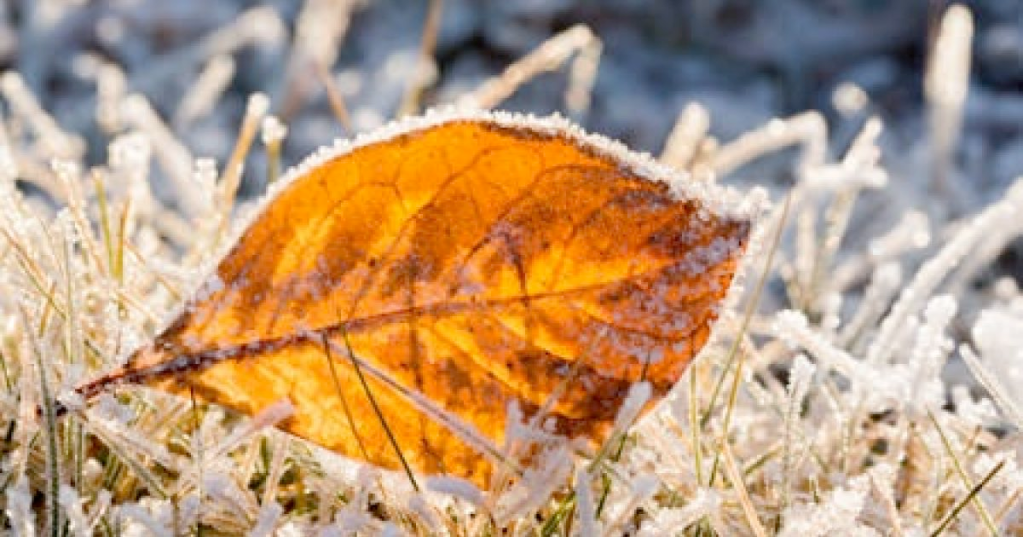
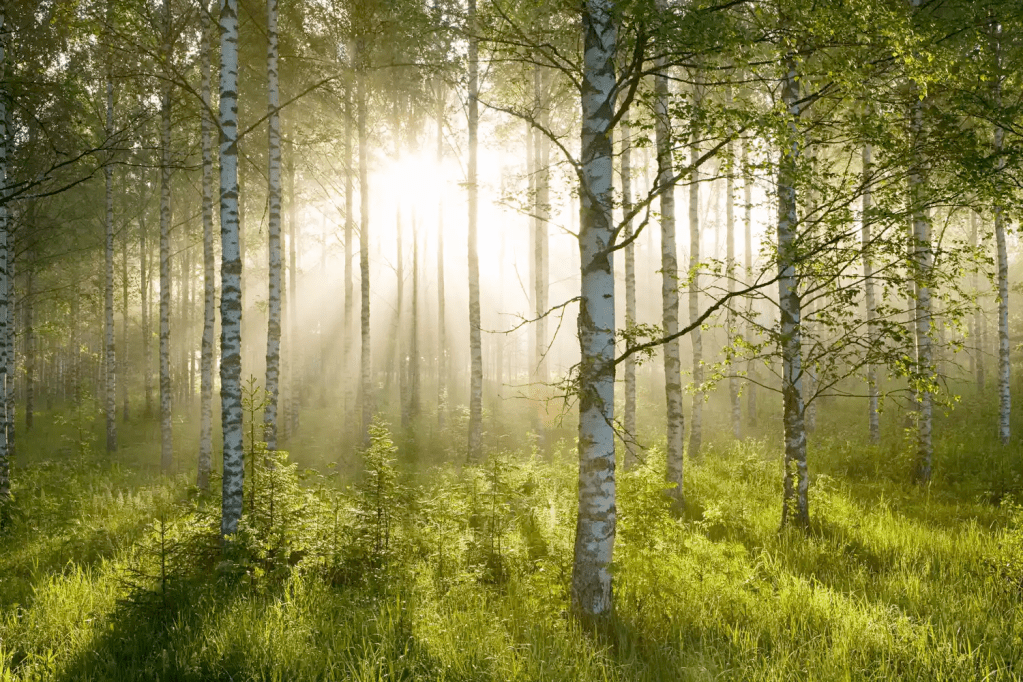
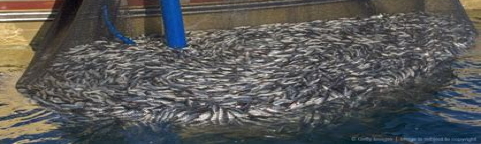
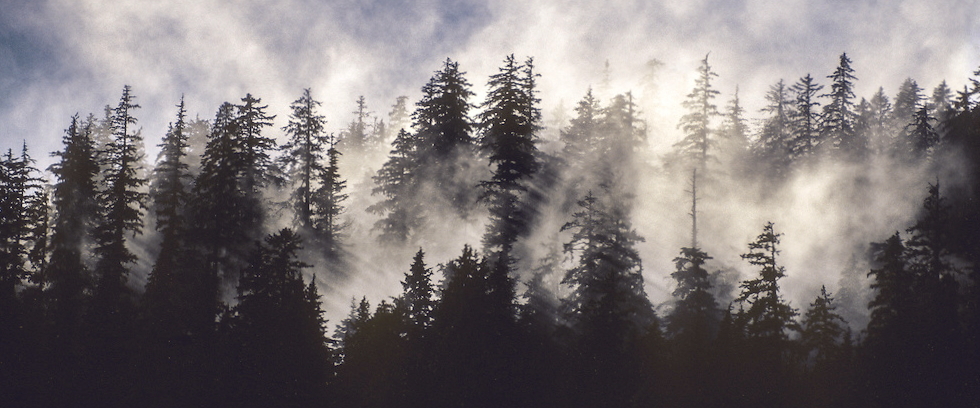
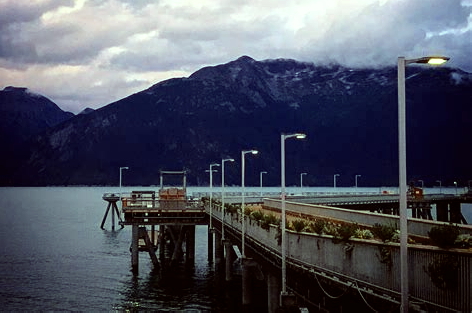
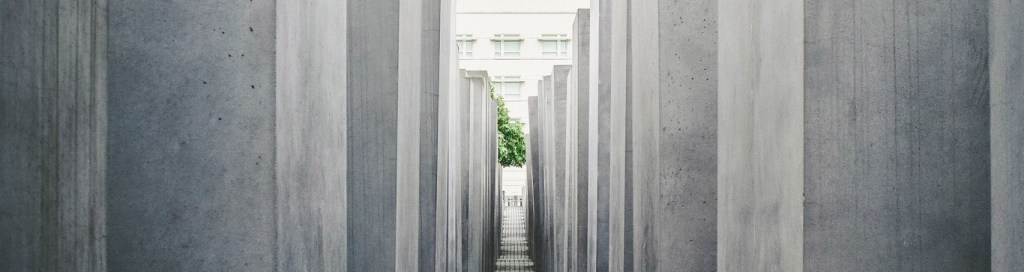


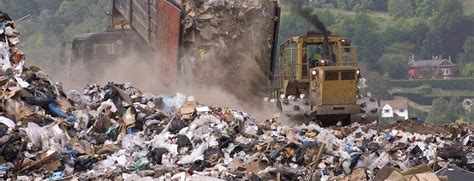

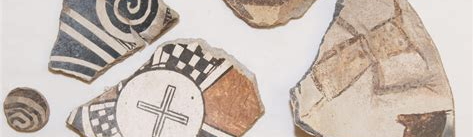
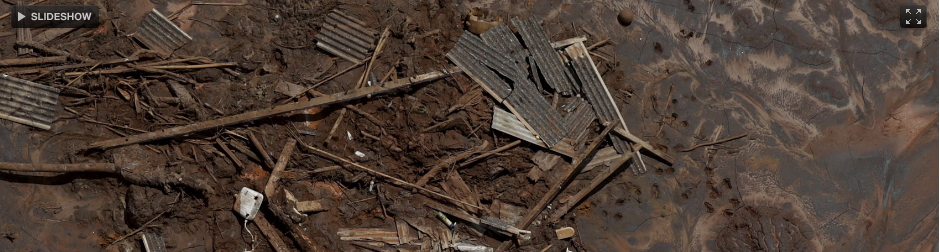
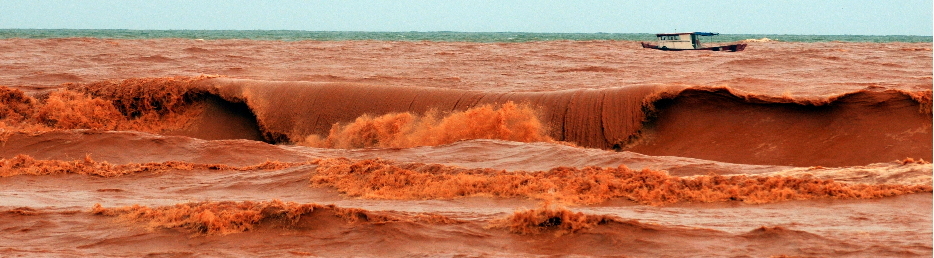
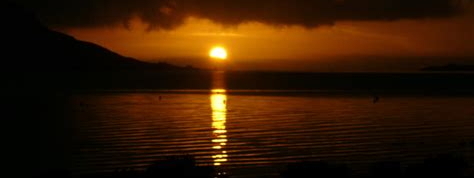





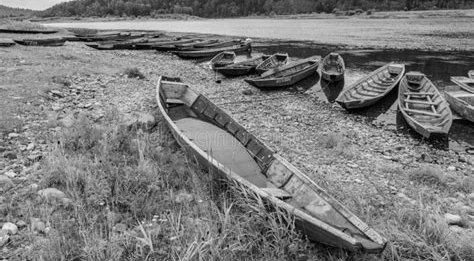


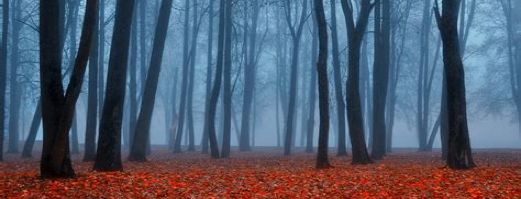
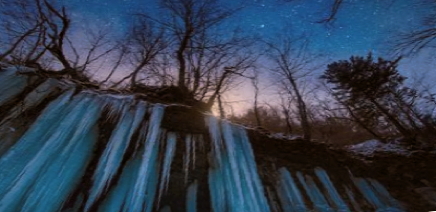

 This One & This One